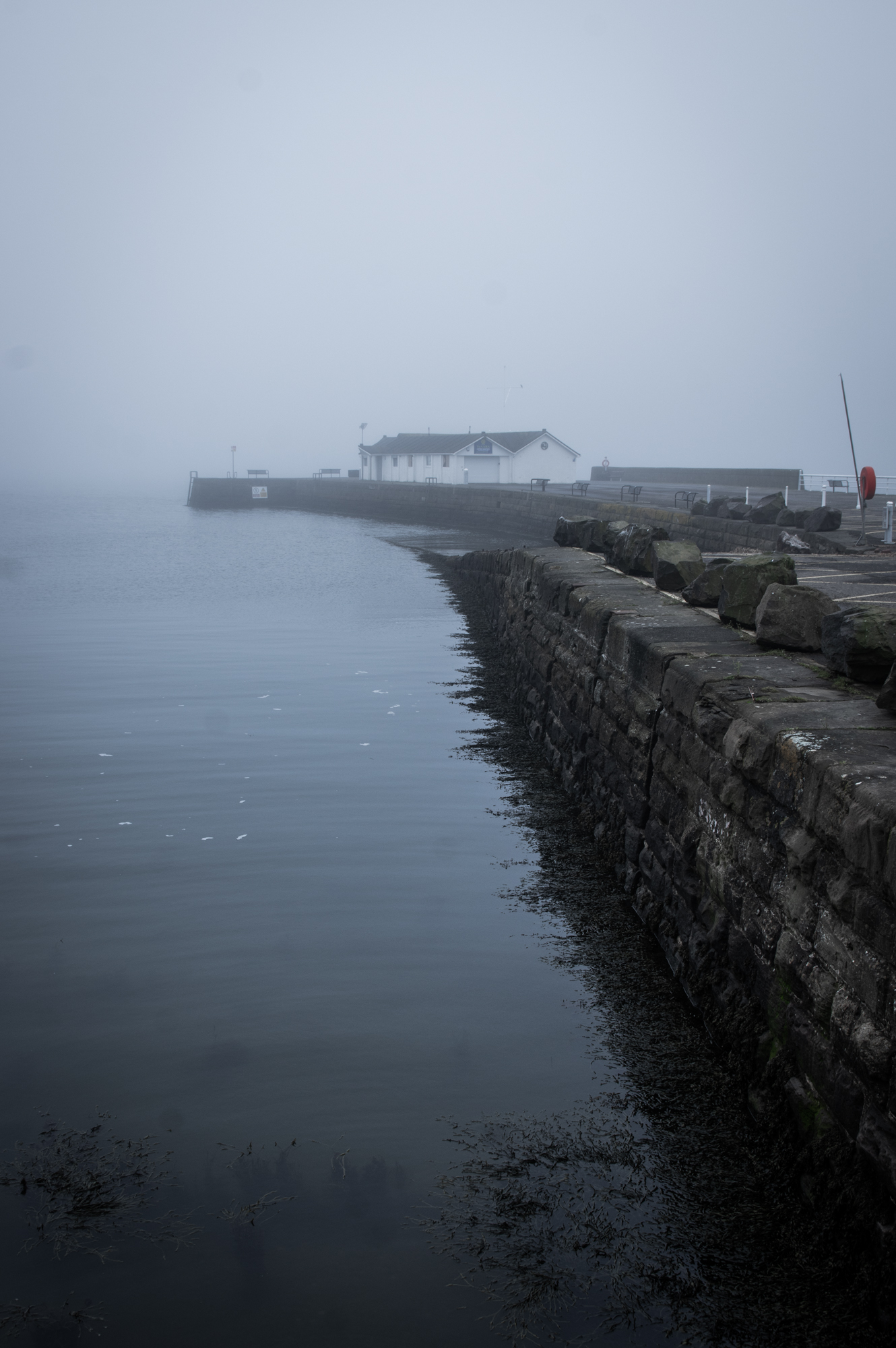
Depending on where you live, foggy days may be a common occurence or a relative rarity. I live in a coastal location so fog is not uncommon, especially in the morning. If you are lucky enough to live somewhere you get it regularly, it is certainly worth harnessing this weather to take some interesting landscape photos. Fog can offer some very challenging conditions for the photographer but it can also give some unique and surreal photos which just aren’t possible from other weather copnditions. Now, different people may have different notions about what ‘fog’, and it’s sibling ‘mist’, are and what they look like. So the first thing I want to do is show you the difference between the two and what I will define as ‘fog’ for the purposes of this post.
Difference Between Fog and Mist
Here are dictionary definitions of fog and mist:
Fog: a thick cloud of tiny water droplets suspended in the atmosphere at or near the earth’s surface which obscures or restricts visibility (to a greater extent than mist; strictly, reducing visibility to below 1 km)
Mist: a cloud of tiny water droplets suspended in the atmosphere at or near the earth’s surface that limits visibility (to a lesser extent than fog; strictly, with visibility remaining above 1 km
So basically from these definitions, they are much the same thing, it is just fog is denser. However, I would like to expand on those definitions for the purposes of this post. I would see mist as the whispy clouds that sit on the water or a light haze which does very little to obscure the sun. I would see fog as the dense, claggy grey cloud that envelopes everything around you and significantly obscures the sun.
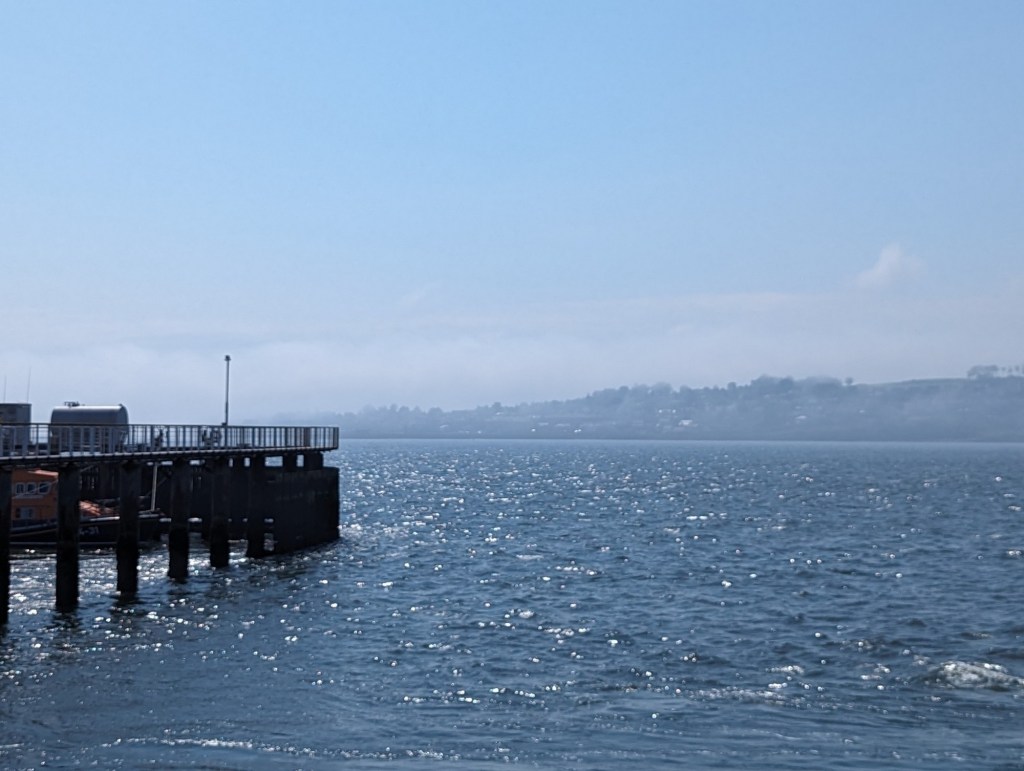
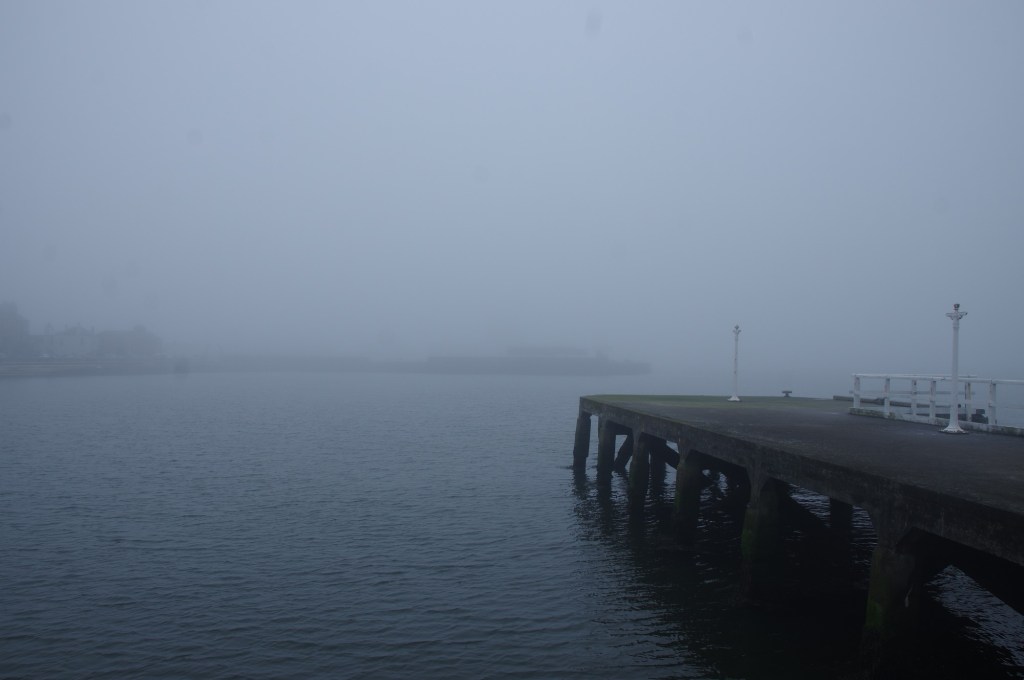
For this post, I just want to look at fog. The reason being because fog offers the most challenges photographically but also allows for some interesting and unique photos which aren’t possible from just mist.
What does Fog Bring to the Table?
So what features does fog have that make it so enticing for the photographer.
- Because it restricts visibility, it removes a lot of interfering background elements from a landscape, including elements in the sky
- Foreground elements become more visually prominent
- It desaturates colours giving a uniformity to the colour scheme
- It provides an eerie, almost surreal effect to photos
- It reduces sky / foreground contrast providing more uniformity to these often competing elements
- It can provide amazing distance recession and depth in an image as it fades away objects in the distance
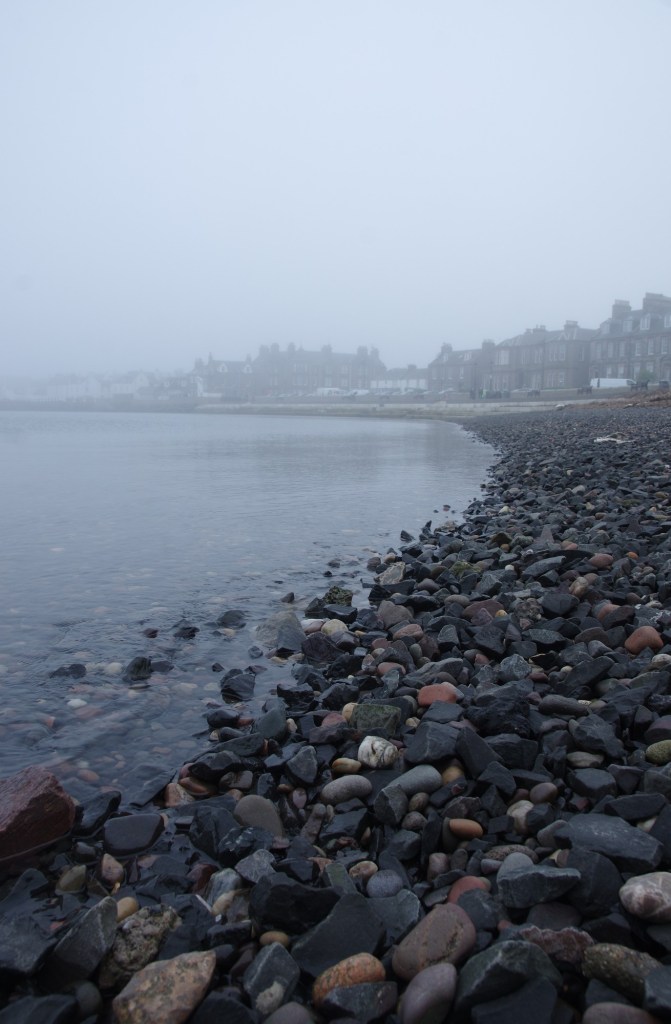
Because of the dense, enshrouding nature of fog it can create a uniformity to images that cannot be achieved under normal conditions, mainly because the fog itself is quite uniform and becomes one of the primary components within the image. This allows the creation of unique photos with a surreal atmosphere to them but it is not without it’s downsides, and these can make foggy conditions a challenge for getting a good photo.
Challenges with Fog
Many of the unique features of fog that make it so enticing to photograph are also what make it so problematic. Let’s have a look at them.
- Very flat, diffuse light which casts few shadows resulting in flat images with narrow dynamic range.
- The dense nature of fog reduces visibility as you look further away. Into the distance, clarity, shaprness, contrast and colour saturation diminish further. These eventually get swallowed up by the fog and disappear into the distance.
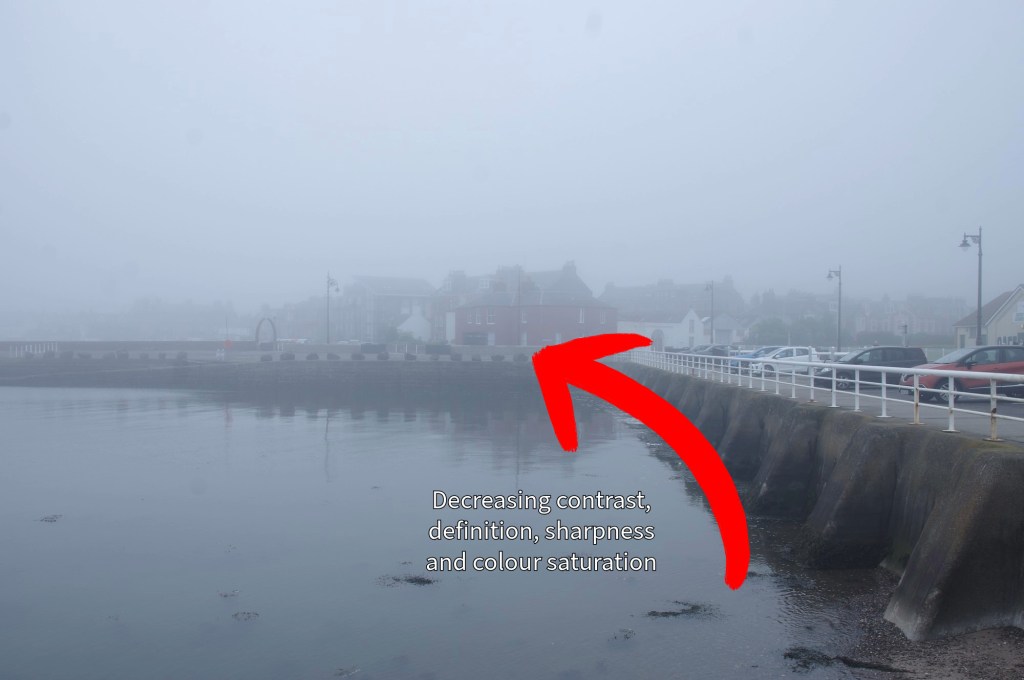
- Low contrast, low sharpness, low clarity and low colour saturation in all but immediate foreground elements. This can make some images appear flat and lifeless
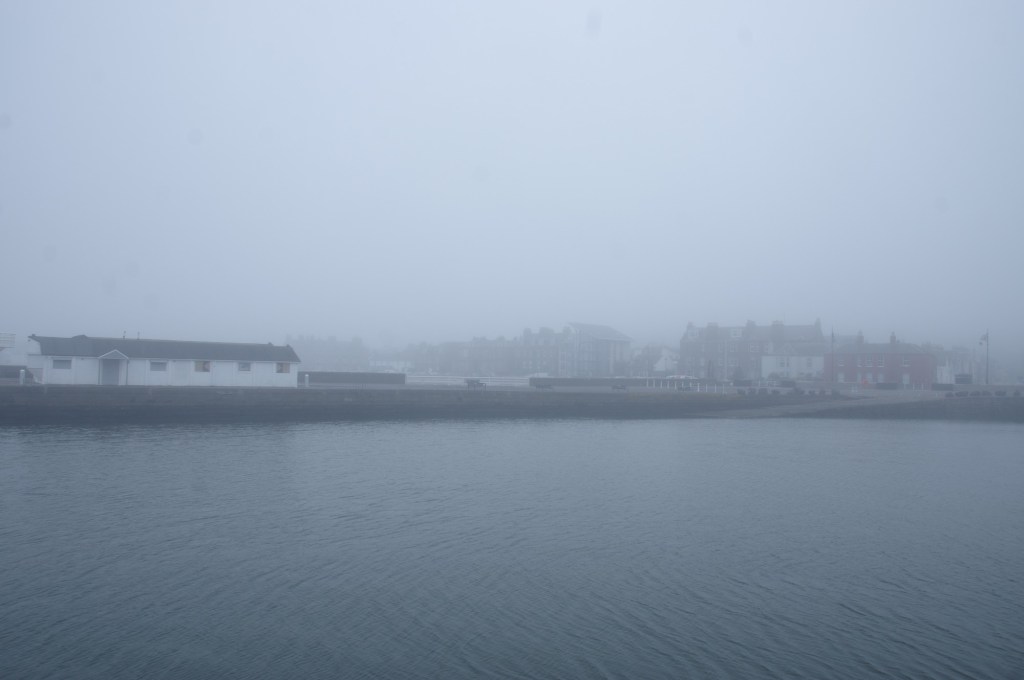
Although this doesn’t seem like a long list, it provides a huge challenge when shooting in fog. It is so easy to end up with dull, flat images which can prove frustrating when shooting. However, with an understanding of how fog affects photos and a bit of forethought before shooting, you can get some great photos.
Getting the Best from the Fog
To get the best photos from foggy conditions you have to understand how the fog affects the images, which I have explained above. The biggest problem is that things can appear flat and lifeless and this is exacerbated the further away they are from you. Thus, to get the best photos you realistically need to bring in foreground objects close to you as they have sufficient clarity and contrast to make the image interesting and provide a focal point. Then, by juxtaposing these elements with foggy, low contrast elements further away you can make some great images which have depth and also emphasize the foggy weather conditions.
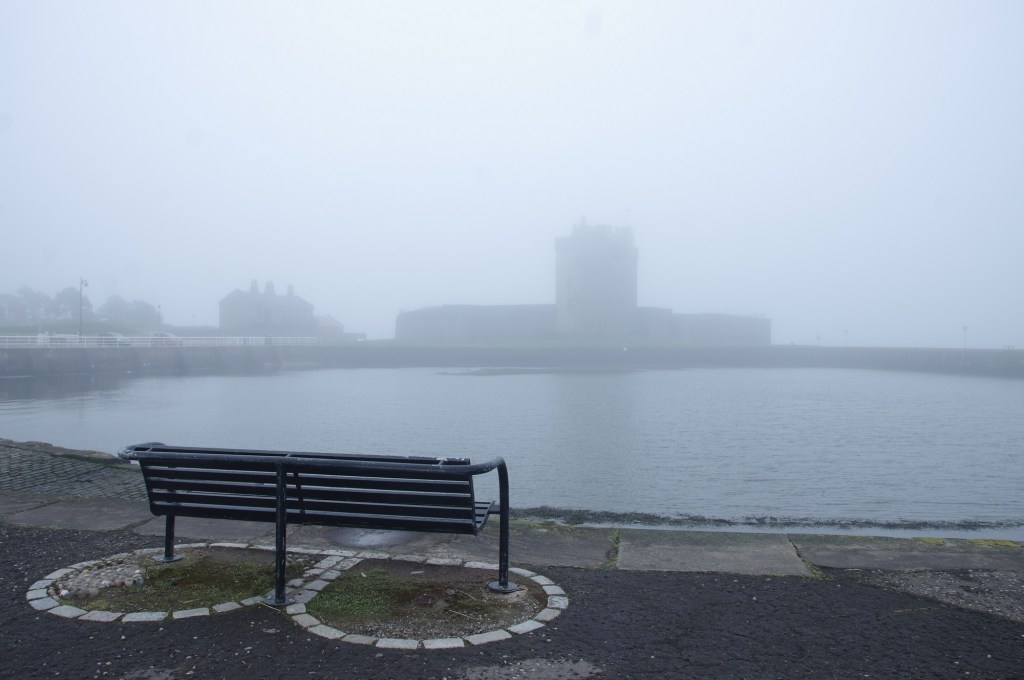
The above image shows foreground and background elements with a visual break between them i.e. foreground and distant background sit closely together with little defined middle ground. However, it also works well when the foreground recedes continuously into background becoming enveloped by the fog.
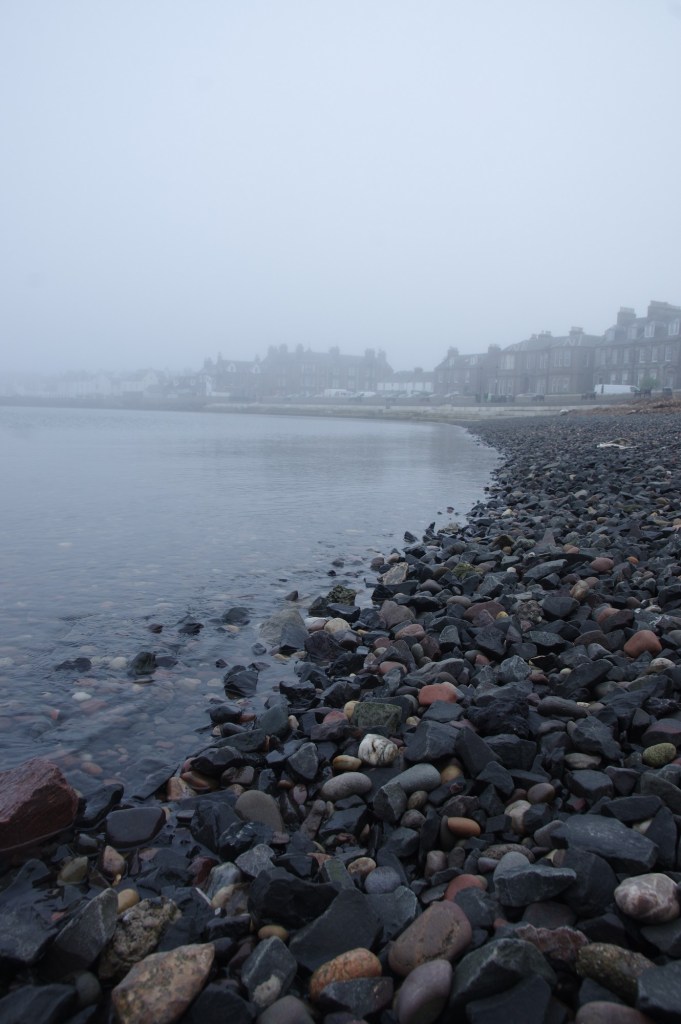
Thus, you must look at your compositions differently when shooting in fog. Understanding the interplay of foreground and background elements and the differing affect fog has on these is fundamental to producing good images in these conditions.
Post-Processing
All the images I have shown above are straight from the camera with no post-processing applied. However, no matter how hard you try, dense fog can sometimes provide such challenging conditions that a little helping hand is needed from the arsenal of post-processing weapons available.
The main post-processing your are likely to do is boost the contrast. Dense fog destroys contrast so this is probably going to be the most worthwhile adjustment.
In addition you may want to try and boost the sharpness if some elements have been softeneted too much with the fog. You may also want to do localised colour saturation boosting to bring emphasis to certain elements within your image. Or, you may want to do saturation reduction, as boosting contrast will boost saturation. These are just some potential changes and are dependant on the image and your own artistic preference. Just a note of caution though. If you increase the contrast significantly, your image is likely to pick up a lot of noise in the process. Thus, you may also need to run a bit of noise reduction over your image.
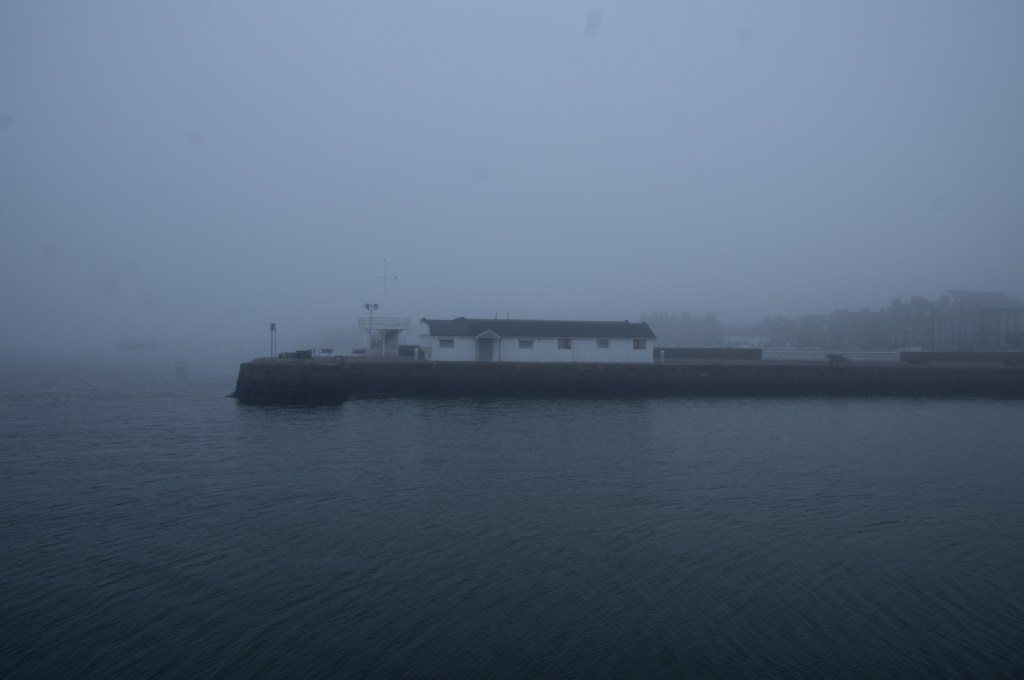
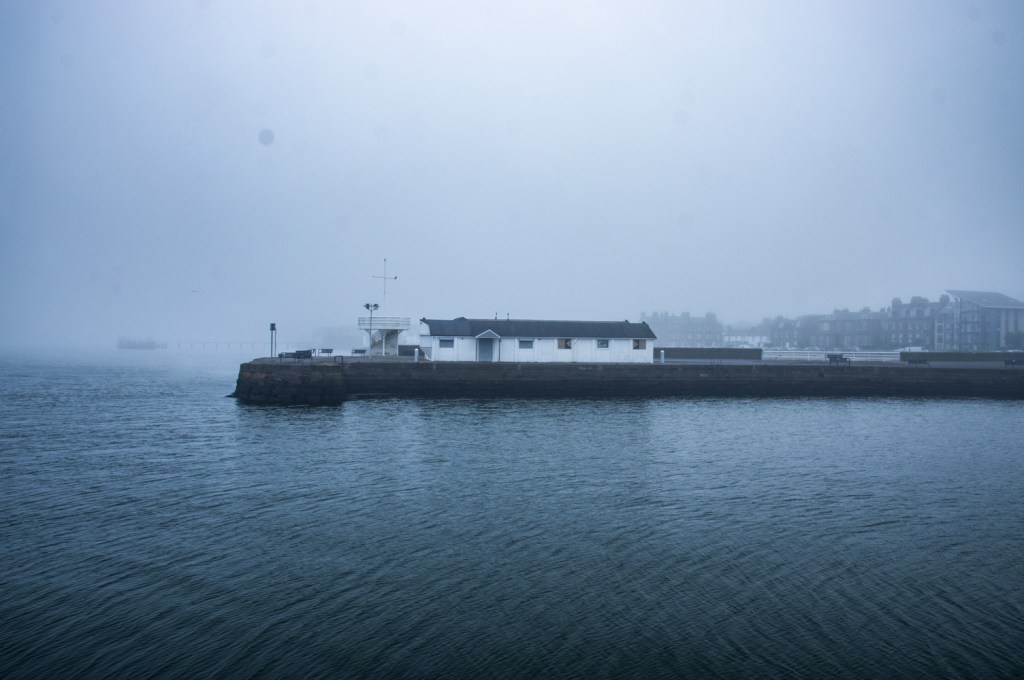
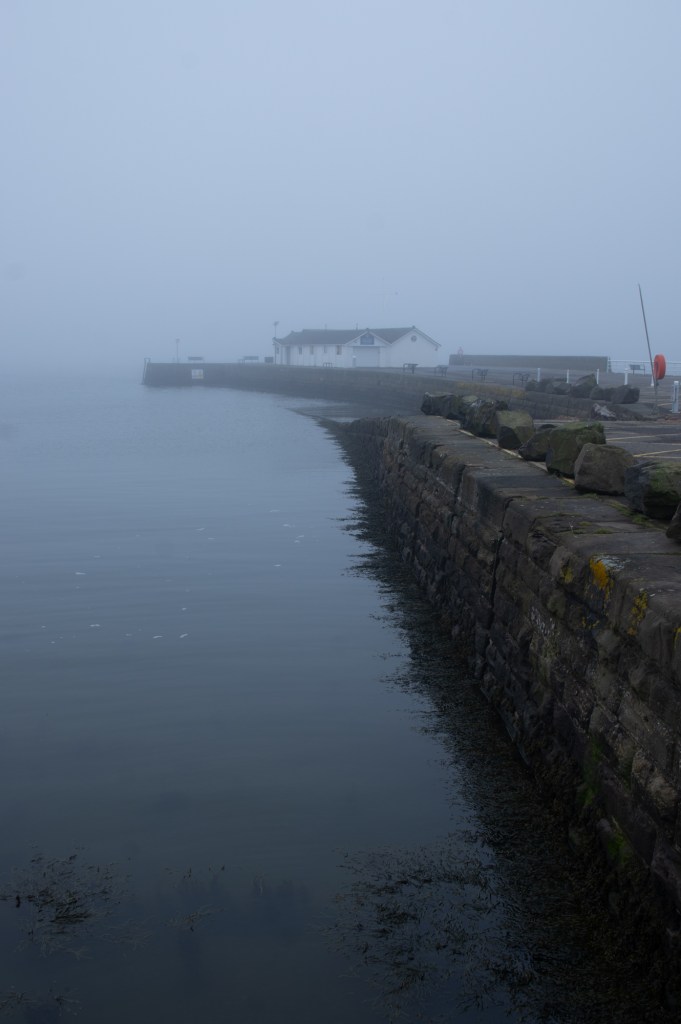
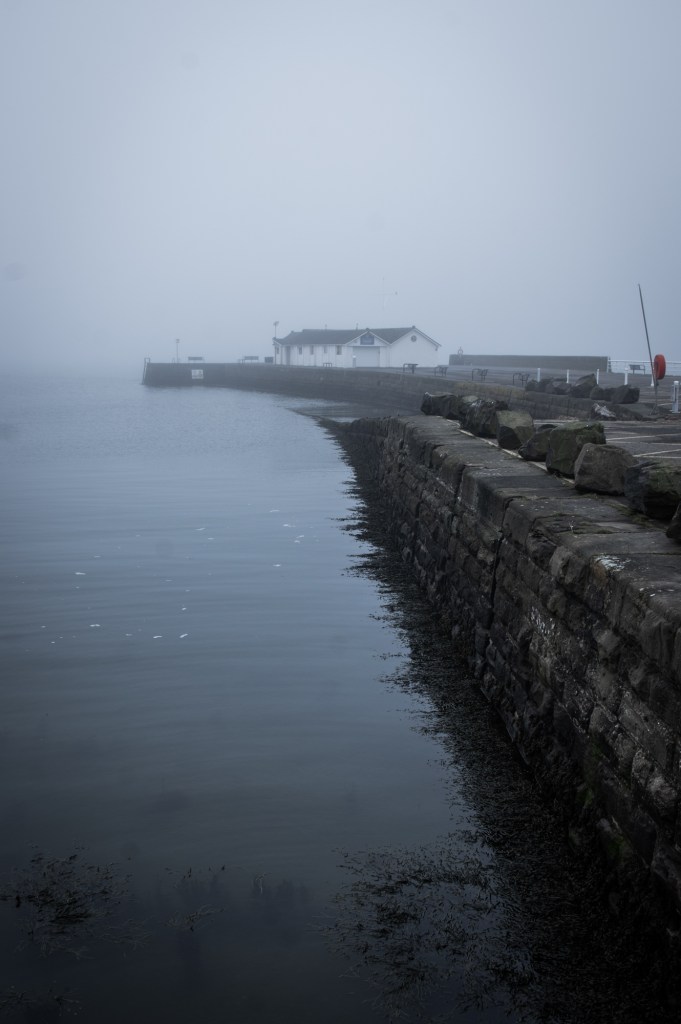
Hopefully these examples will show you that post-processing can be used effectively to help enhance these images. In the first example there is significant contrast enhancement to help boost the clarity of the image. In the second example, the adjustments are less severe and just serve to subtly enhance some of the detail.
Should you go Shooting in Fog?
Fog provides challenging photographic conditions but if you think about how fog affects the landscape, and compose your images accordingly, you can get some interesting and unique shots. Just be warned though, it can be tricky and frustrating getting a good image and you may have to dip into the dark side of post-processing to get the best from your captures. So if you live in an area that has regular fog or you just wake up one day to a foggy morning , then don’t retreat away from it. Grab your camera and get shooting, you may be surprised at the photos you are able to get.
Thanks for Reading, Neil





On a seemingly uninteresting foggy afternoon, I went out in the silent countryside. Nothing standed out and most shots were to bin, when I stumbled on Nature’s pearl necklace. Autofocus was of no use, so I went full manual on my bridge, maxing aperture to minimize the almost infinite depth of field from the 1/2,3″ sensor. The result is as follows : https://photo.faroria.fr/0000%20Vieilles%20Expos/IMG_2830.jpg
Not a flashy pic, but one with subtle charm. I encourage anyone to try foggy days as well 😀
LikeLiked by 1 person
That’s a great photo. The water droplets really stand out so well from the background. It’s amazing that on foggy days like that so many wonderful photographic opportunities still exist. Thanks for sharing.
LikeLiked by 1 person